Secure the Checkpoint Roblox Script
Overview
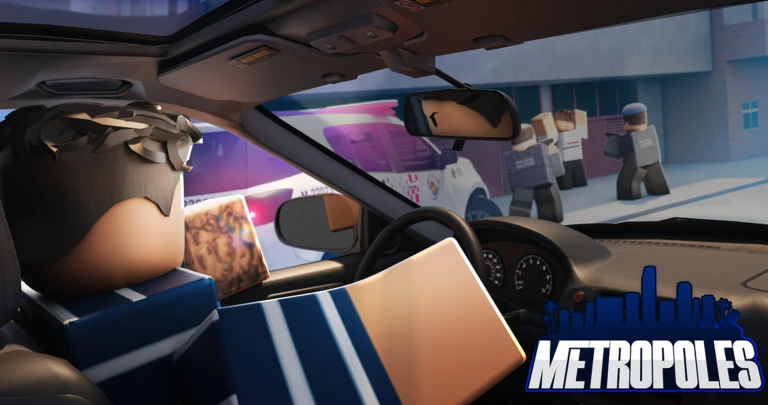
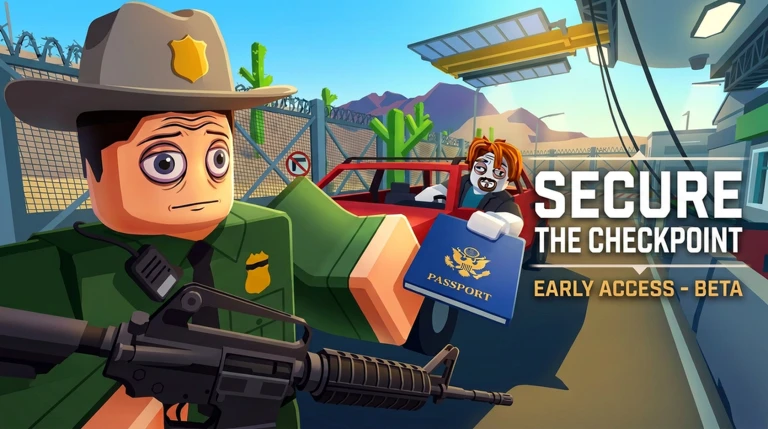
Secure the Checkpoint is built around checking identities, searching trunks, handling suspects, and defending the line through increasingly difficult shifts. The only currently listed option is a universal fallback, so treat it as a utility layer while making the checkpoint decisions through ordinary gameplay.
Choose a utility before the next checkpoint decision
Adjust your jump movement when vertical positioning is the immediate concern, then return attention to the vehicle or suspect you are processing.
Use this as a movement utility when ordinary positioning is slowing your route through the checkpoint, and reassess your position before continuing the current task.
Use the visibility utility to identify players relevant to the active checkpoint situation before choosing whether to continue checking vehicles or prepare for defense.
Choose the intended player-related destination first, move there, and then confirm your position before resuming checkpoint work.
Tune movement for the current patrol or repositioning need, then slow down and verify the next identity, trunk, or suspect decision.
Script loader
Copy the loader below when you are ready to use the option described on this page.
Recheck pending after a Roblox update
- Roblox updatedOctober 23, 2026
- Source checkedOctober 18, 2026
- Page refreshedOctober 14, 2026
RouteRoute between checkpoint tasks
When your goal is to travel, start by choosing the next checkpoint-related destination rather than moving without a task. The experience frames the shift around securing the checkpoint, so use each move to reach the next identity check, vehicle interaction, or defensive position.
- Prepare the task
- Choose the next place you need to be for the checkpoint loop: an upcoming vehicle check, a trunk search, or a position from which you can keep the line secure.
- Follow the sequence
- Move toward that chosen destination, keep the current checkpoint duty in mind, and avoid changing objectives until you have reached the intended position.
- Check the result
- Confirm that you are positioned for the next identity, vehicle, or defense decision. Continue if the intended task is in front of you; otherwise adjust your route before proceeding.
RouteExplore the checkpoint situation
For exploration, first identify which players or activity matter to the current checkpoint decision. Use that awareness to choose the next action, while keeping identity matching, trunk searches, and the line-defense objective separate.
- Prepare the task
- Look over the active checkpoint situation and decide whether you need to identify a person, inspect a vehicle, or locate the next point of attention before acting.
- Follow the sequence
- Inspect the visible player situation, choose the relevant target for the current duty, and move toward that target or task without treating visibility as proof of guilt.
- Check the result
- Continue when you can clearly choose the next checkpoint action. If the relevant person or task is still unclear, reassess the scene before committing to a search or suspect decision.
RecoveryRecover when the line is under threat
When danger begins, make recovery the priority rather than pursuing goods or another travel objective. The game describes threats after dark and attacks intended to break the line, so first leave the immediate danger and only then decide whether checkpoint work can resume.
- Prepare the task
- Start from the immediate danger decision: stop searching trunks or pursuing a destination and identify the safest direction away from the threat affecting the checkpoint.
- Act and recover
- Leave the dangerous situation, using movement to create separation and repositioning toward a safer part of the line. Do not turn this recovery step into item collection.
- Check the result
- Resume checkpoint duties only after the immediate threat is no longer forcing the retreat. If danger remains, keep recovering instead of returning to searches or suspect handling.
RouteTrack the pressure during a fight
For a fight, use visibility to understand where player activity is developing while remembering that the experience describes longer shifts, worse nights, and larger bosses rather than a guaranteed combat outcome.
- Prepare the task
- Before committing to the fight, identify the player activity connected to the pressure on the checkpoint and decide which direction requires your attention first.
- Follow the sequence
- Keep the relevant players in view as the confrontation develops, maintain awareness of the checkpoint line, and respond to the immediate threat rather than unrelated activity.
- Check the result
- Continue while the threat is still active and the line needs attention. Once the pressure has eased, reassess whether to return to checkpoint checks or keep watching for the next escalation.
Step by stepHold the checkpoint through the shift
Treat defense as an ordered checkpoint routine: secure the checkpoint first, then respond to whatever interrupts the line. The experience presents this as a cooperative police shift, so make each decision around keeping the checkpoint under control.
- Prepare the task
Begin by taking your position for securing the checkpoint and decide which incoming vehicle or person needs attention first.
- Follow the sequence
Check the identity and face, inspect the vehicle when needed, and handle the suspect decision before turning back to the wider defense of the line.
- Check the result
Continue when the checkpoint remains secure and the current interaction is resolved. Adjust your attention when a new vehicle, suspect, or nighttime threat becomes the immediate problem.
Step by stepWork through a complete checkpoint cycle
A complete cycle follows the activities named in the experience: verify who is arriving, search the trunk, choose how to handle the person, and stay ready for what comes after dark. Keep the sequence grounded in the current interaction rather than skipping ahead.
- Prepare the task
Start with the arriving vehicle and prepare to compare the identification with the person’s face before deciding what the interaction requires.
- Follow the sequence
Check the ID and match the face, search the trunk for legal or illegal goods, then choose between taking the bribe or taking the suspect in according to what you observe.
- Check the result
After the interaction, return attention to the checkpoint and prepare for the nighttime threat described by the game. Continue the cycle while the shift remains active and adjust when the line is challenged.
Game snapshot
Checked October 23, 2026
Roblox identity
- Place ID
- 104589921852670
- Universe ID
- 10423774136
- Released
- June 30, 2026
- Server size
- 25
Recorded build history
- Current options
- 1
- First observed
- August 14, 2026
- Last source check
- October 18, 2026
Questions about this build
What should I prioritize at Secure the Checkpoint?
Prioritize the active checkpoint interaction: check the ID against the person’s face, search the trunk, decide how to handle the suspect, and then keep watch for threats that may break the line.
Does the listed option automate the checkpoint routine?
No specialized game function is listed for the universal fallback. Use it only as a general utility layer and make the identity, search, suspect, and defense decisions through normal gameplay.
When should I stop exploring and recover?
Stop exploring when an immediate threat is affecting the line. Leave the danger first, avoid pursuing goods during recovery, and return to checkpoint work only after the situation has eased.
How should I approach the tougher parts of a shift?
Expect the described pressure to build through longer shifts, worse nights, and bigger bosses. Keep the current threat in view, protect the line, and reassess whether to continue the checkpoint routine after each confrontation.