PROJECT APEX Roblox Script
PROJECT APEX Roblox Script combines NPC scanning and NPC attribute export in an utility script hub for common Roblox executors. Instead of offering combat automation, this build is useful for players, testers, and script editors who want a readable export of NPC models, attributes, primary parts, and nested child objects from the active Workspace structure.
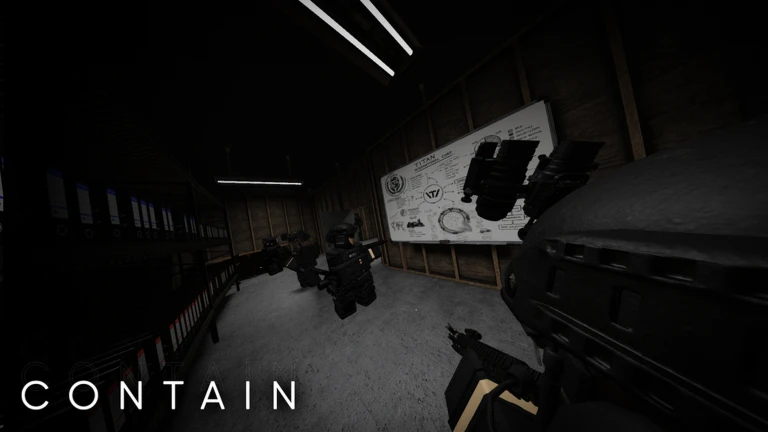
What this PROJECT APEX script does
PROJECT APEX Roblox Script is an utility script hub built around NPC scanning and NPC attribute export for common Roblox executors. When it runs, it searches Workspace for World, then checks for the AI folder inside it. If that folder is present, the script begins reading every top-level NPC or AI object it can find.
The result is not a combat cheat or farming macro. It is a structured dumper that turns the current NPC layout into JSON data. That makes it practical for comparing enemy setups, checking model organization, or documenting how PROJECT APEX version 0.6.9 stores its AI instances.
Confirmed dumping features
- NPC folder scan: Checks the active Workspace path for the World.AI container before reading any NPC objects.
- Category grouping: Groups exported entries by object name, making repeated NPC types easier to review.
- Attribute capture: Reads Roblox instance attributes and converts their values into export-friendly text.
- Nested child mapping: Records child instances recursively, including names, class names, attributes, and deeper children.
- Clipboard output: Copies the finished JSON dump to the clipboard when the executor supports clipboard writing.
Run the NPC Dumper
Execute the loader after joining PROJECT APEX and let it copy the current NPC data directly to your clipboard.
Why an NPC dump is useful
In a game like PROJECT APEX, NPC organization can reveal a lot about enemy handling, spawn preparation, model setup, and future scripting work. Seeing class names, primary parts, and attributes in one export is faster than manually opening every object in the explorer during a live session.
The dump can also help identify whether NPCs share consistent naming patterns or whether a specific AI model has unusual attributes. For anyone editing tools around PROJECT APEX, this kind of clean structure check is often the first step before building targeting, display, or analysis features.
Data included in the export
- ClassName
- Each scanned object includes its Roblox class, helping separate Models, Folders, Parts, and other instance types.
- PrimaryPart
- For Model objects, the script records the PrimaryPart name or notes when none is assigned.
- Attributes
- Attributes are saved for both top-level NPC objects and their children, preserving custom gameplay data.
- Children
- The recursive structure keeps inner objects visible, which is useful for rigs, hitboxes, effects, and configuration folders.
Best use cases for this version
This PROJECT APEX 0.6.9 script is best treated as an inspection and documentation tool. Use it when you need a snapshot of the current NPC layout, especially after joining a server where the AI folder has loaded and enemy-related objects are available.
- Review NPC names: Check how many categories exist and whether similar enemies use matching object names.
- Compare AI structure: Save exports from different sessions to spot changed attributes, added children, or renamed objects.
- Prepare editor work: Use the JSON output as a reference before designing overlays, filters, or NPC debugging helpers.